Outdoor gifts can support all kinds of days outside, from an easy picnic to a weekend camp. This collection of 16 ideas includes useful gear for comfort, light, hydration, and downtime.
Think about where the recipient spends time outdoors and what would make those outings easier or more enjoyable. The guide below offers ways to choose and personalize a gift.
16 Gift Ideas for Outdoor Lovers
Vivere Double Cotton Hammock with Steel Stand
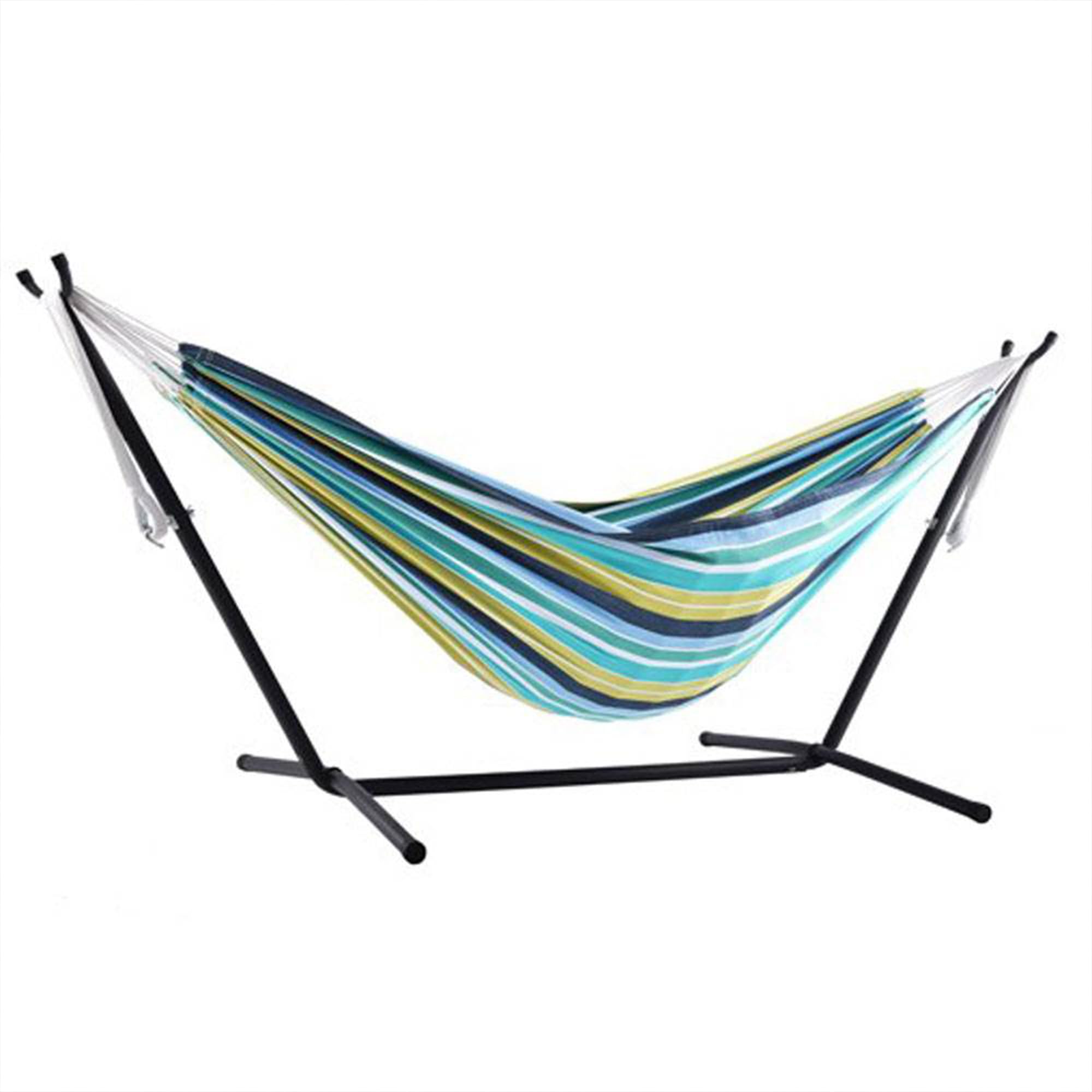
- The cotton hammock is made for relaxing in sun or shade.
- The powder-coated steel frame has plastic caps on the ends.
- Setup needs no tools.
Best Gift For: A couple or family member who enjoys relaxing outdoors at home.

Sawyer MINI Water Filtration System, 2-Pack
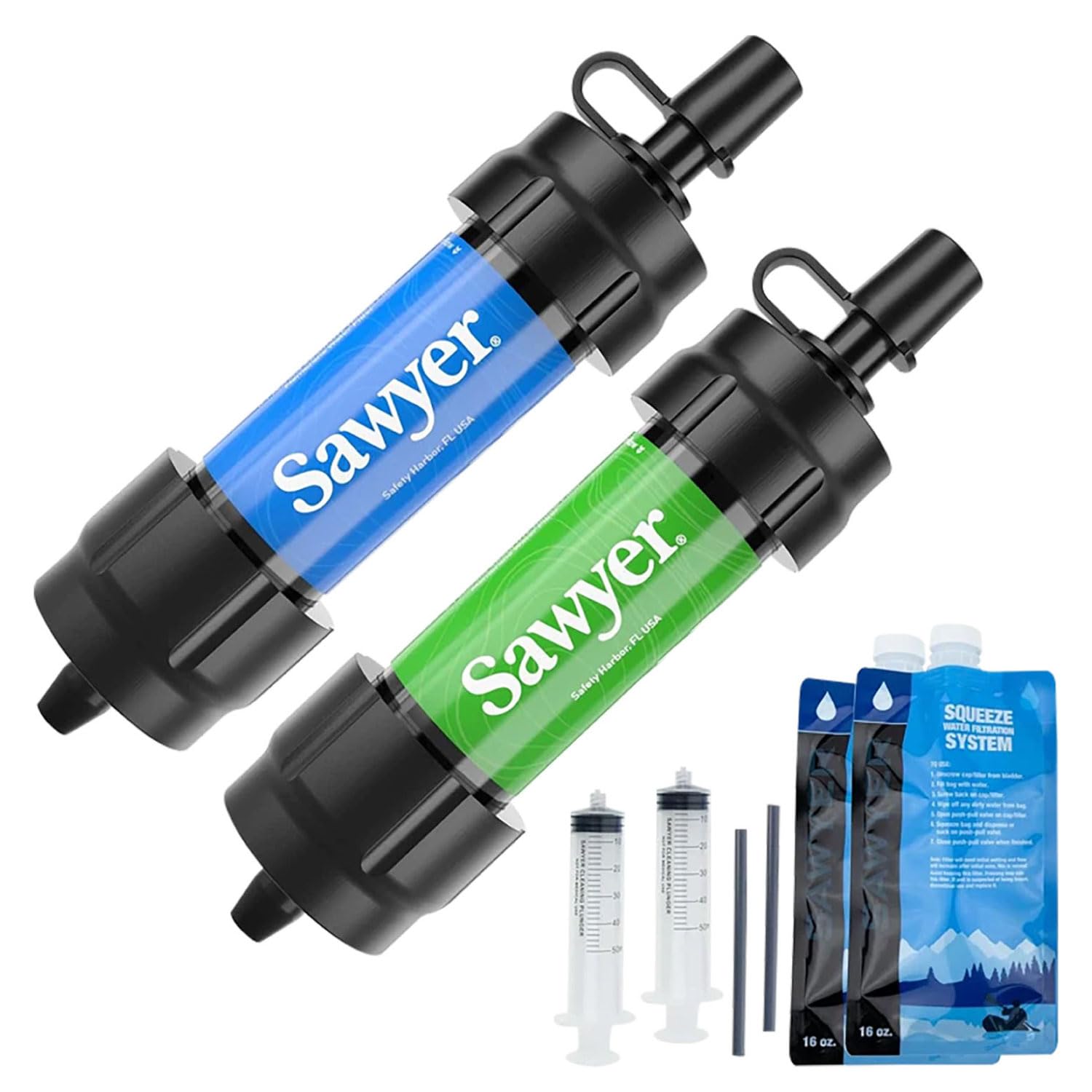
- The palm-sized inline filter weighs 2 ounces.
- It attaches to the included drinking pouch, water bottles, or hydration packs.
- The set includes two filters and two cleaning plungers.
Best Gift For: A hiker or camper who wants a compact filtration option for outdoor trips.
TREBLAB HD77 Waterproof Bluetooth Speaker
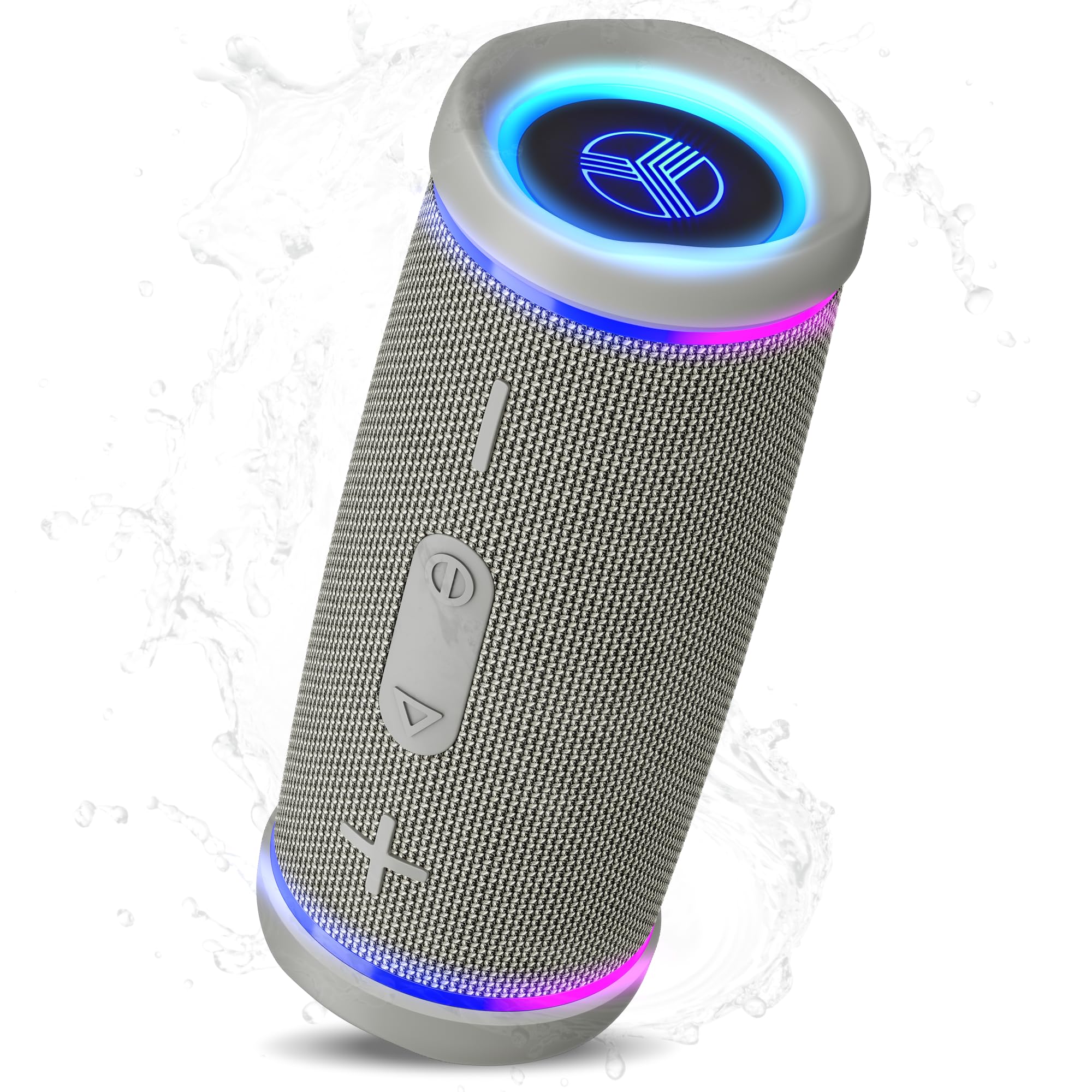
- The speaker offers 30W sound with dual full-range drivers.
- Its IPX7 rating covers submersion up to 3 ft (1 m) for 30 minutes.
- The RGB lights can be turned off independently.
Best Gift For: A camper or backyard host who enjoys music outdoors.
Hydracy 2L Motivational Water Bottle
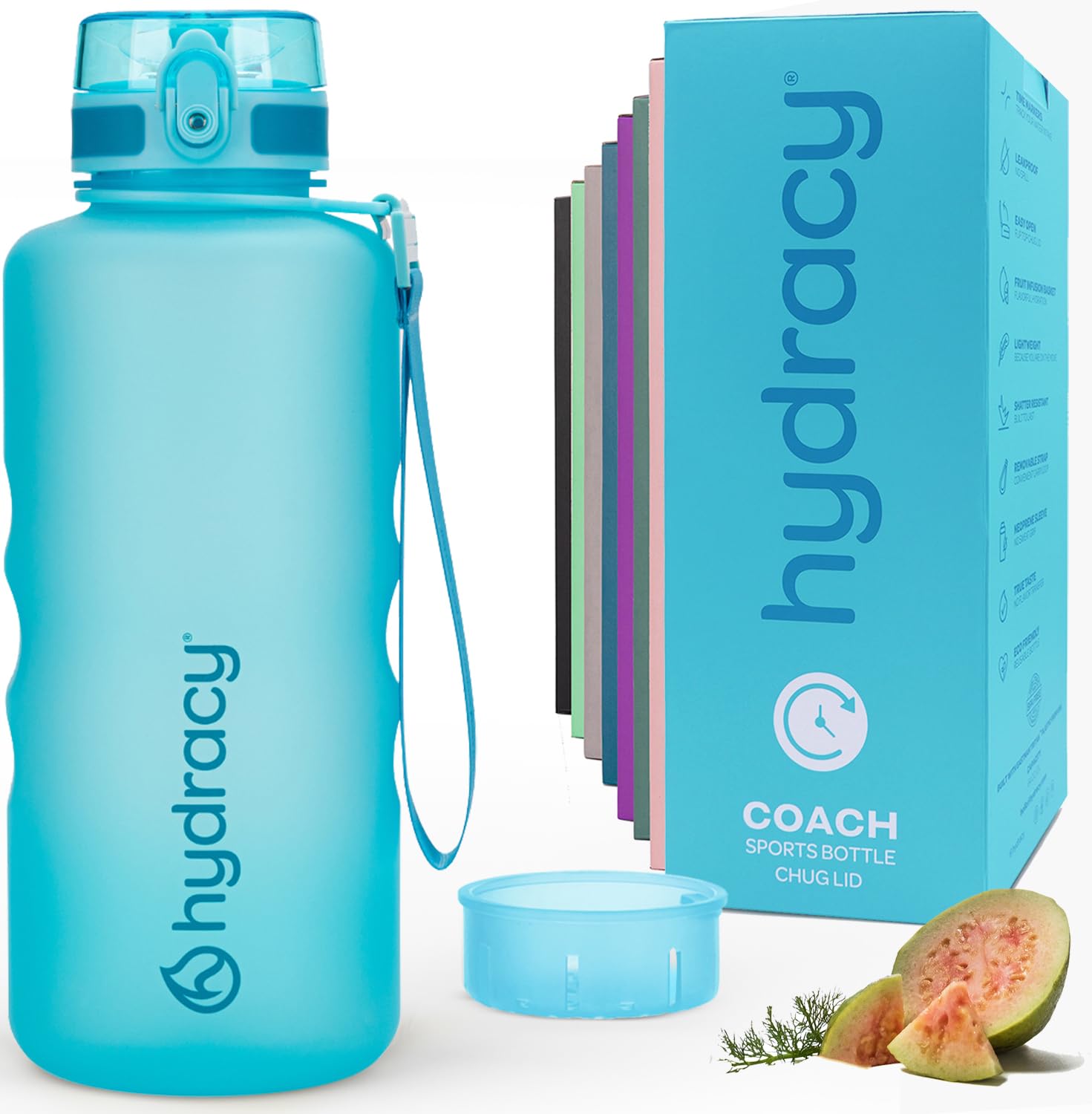
- The timeline helps mark when to take the next sip.
- The bottle has a detachable carry strap and flip-top lid.
- It is made from BPA-free Tritan plastic.
Best Gift For: A hiker or cyclist who appreciates a reusable bottle with an easy-to-follow drinking timeline.
BLUETTI AC180 Portable Power Station
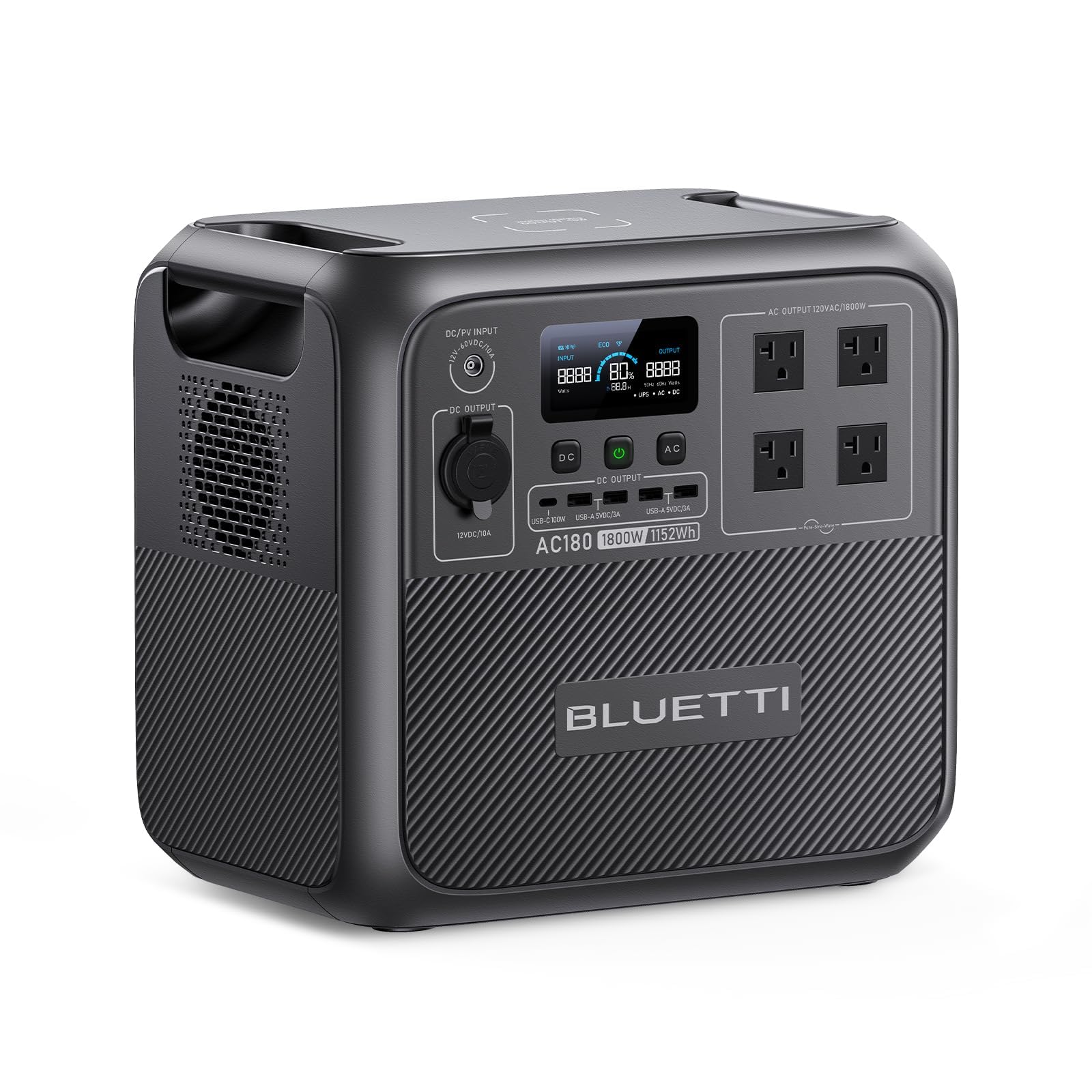
- The LiFePO4 battery has a 1152Wh capacity.
- It provides 1800W output and has 8 outlets.
- It can charge using a 500W solar input.
Best Gift For: A camper or cabin owner looking for a portable power source for outdoor trips.
KingCamp Low Beach Chairs, 2-Pack
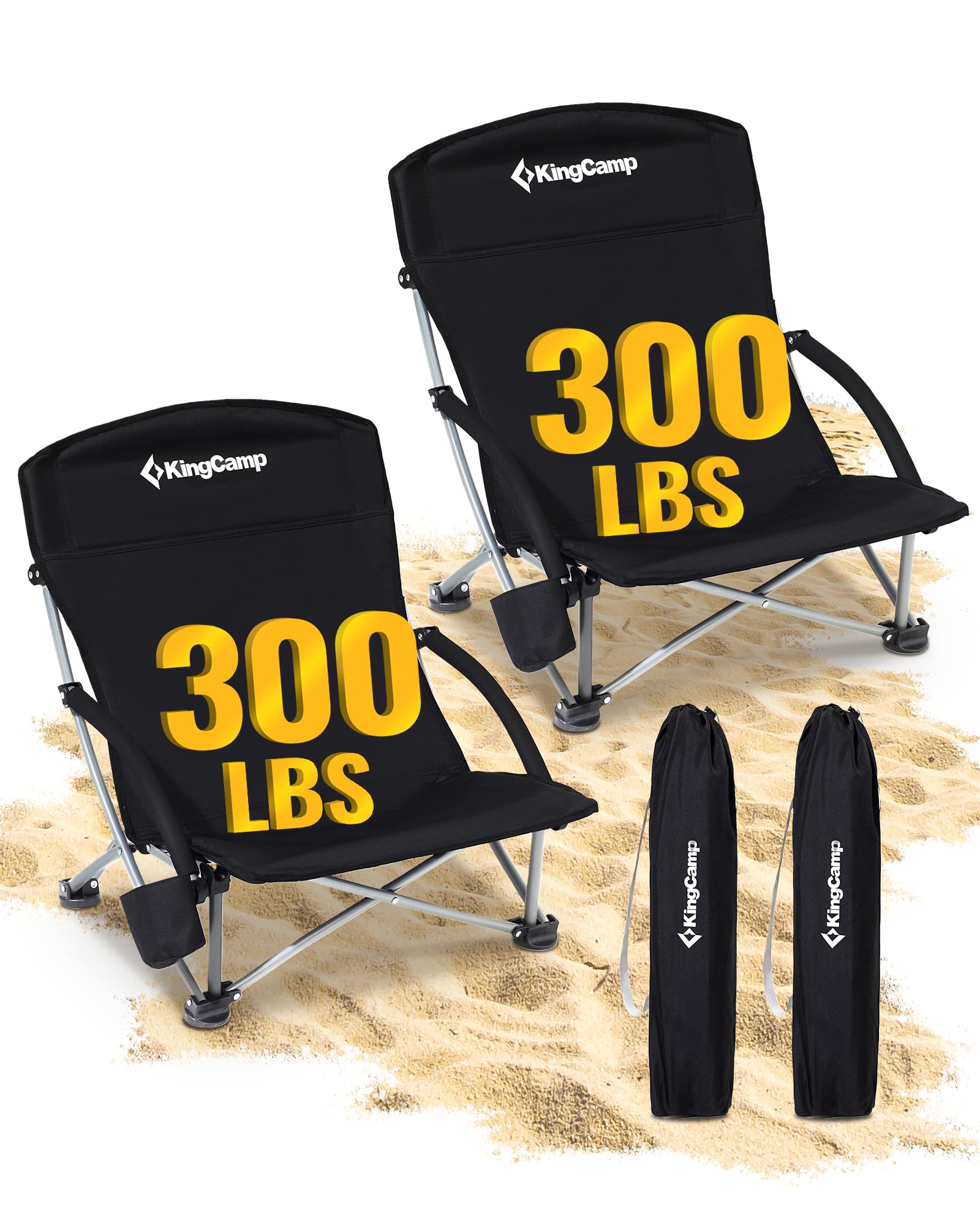
- The low seat measures 8.6 inches.
- The wide seat is 23.2 inches across.
- A carry bag makes the chairs easier to pack and carry.
Best Gift For: A pair of beachgoers or campers who enjoy a low seat for outdoor lounging.
Hazli Matrix AirCell Memory Foam Camping Mattress Pad
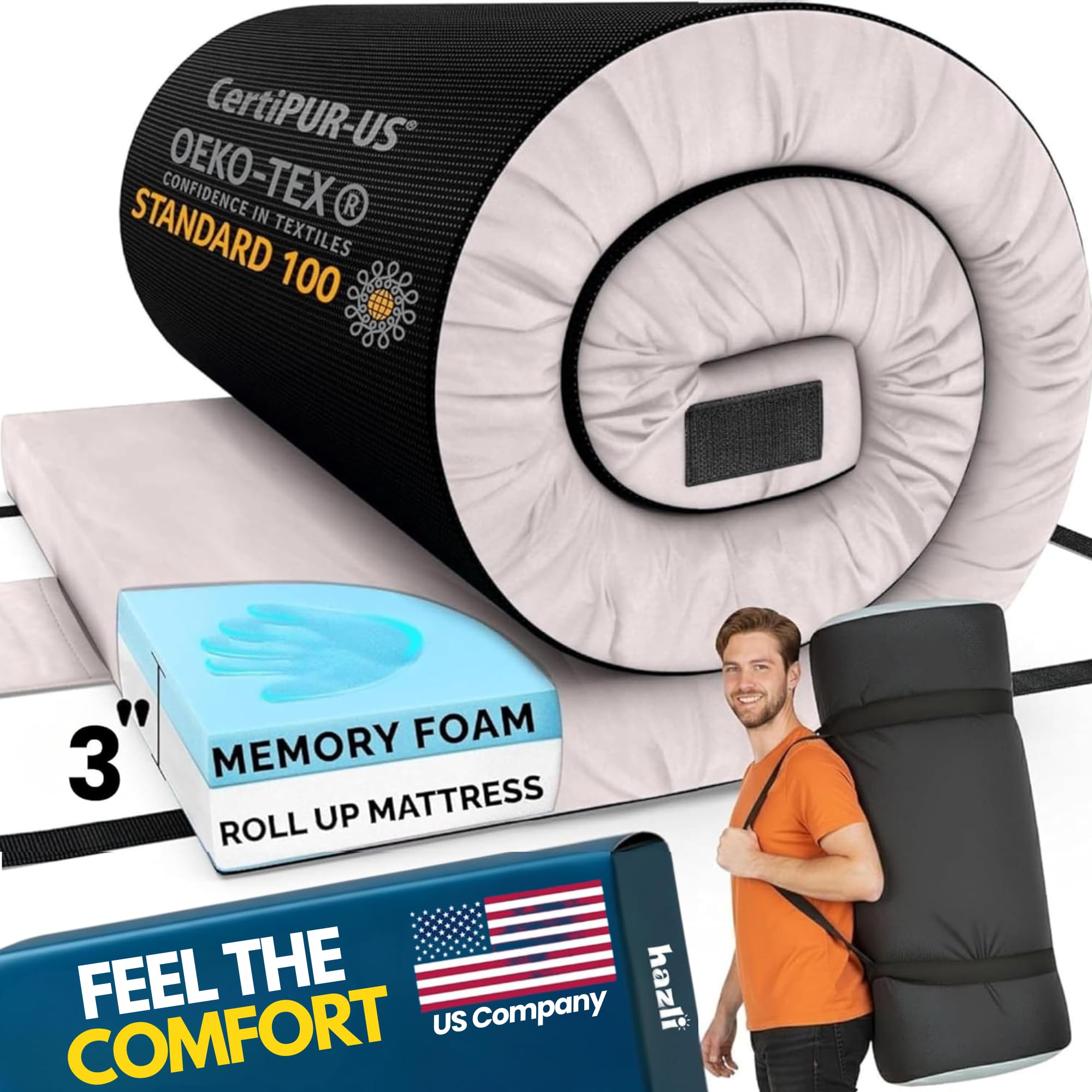
- The roll-up mattress can be used as a bed roll or portable mattress.
- It has a removable waterproof cover that can be washed.
- It can be used on a sleeping cot or as a portable floor mattress.
Best Gift For: A car camper or host who wants a roll-up sleeping surface for campsites or guests.
OLIGHT Arkfeld Pro Rechargeable EDC Flashlight
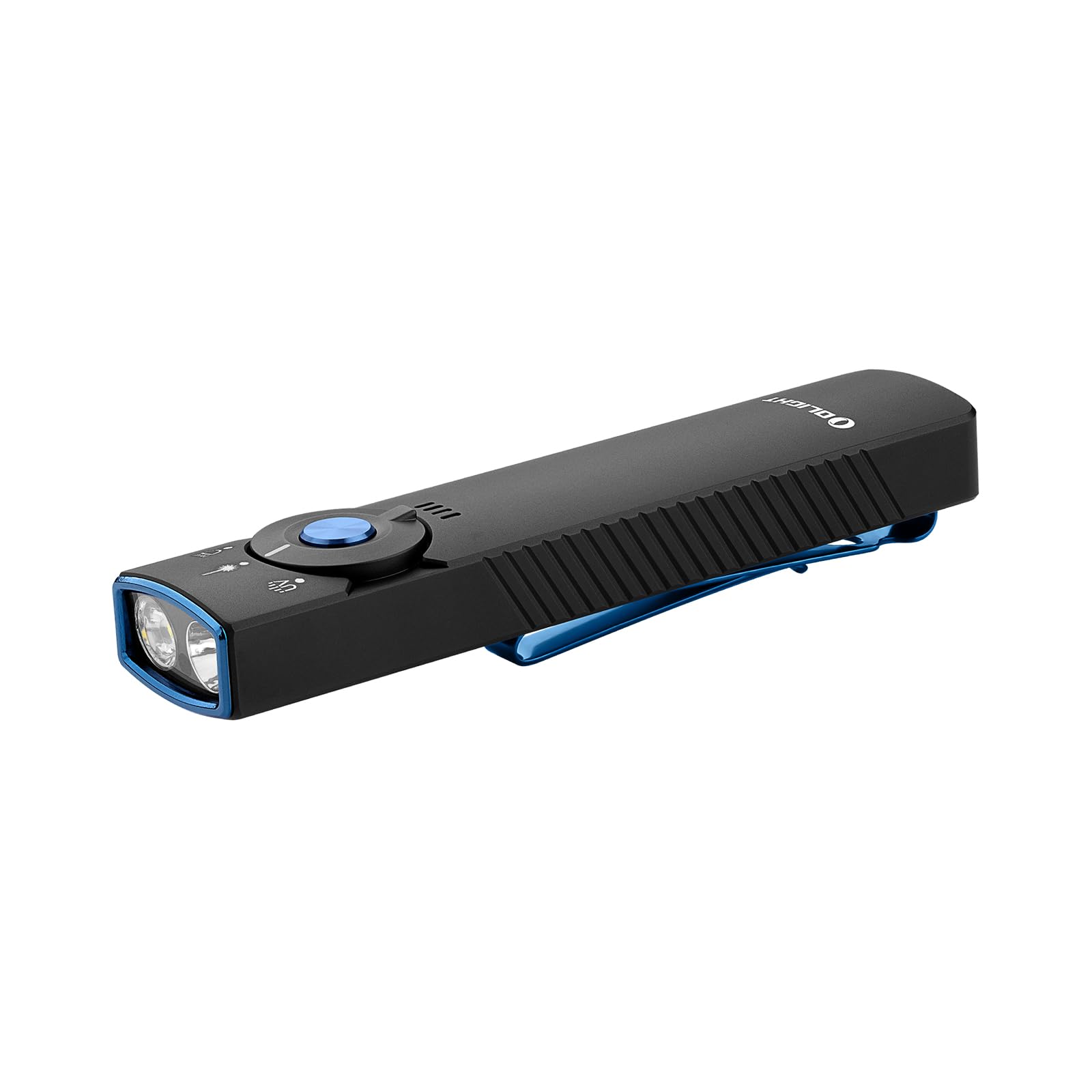
- The flashlight combines white light, UV, and a green beam.
- A circular selector switches between lighting modes.
- A five-level indicator shows battery status.
Best Gift For: A camper or walker who wants a pocket flashlight with multiple lighting modes.
OCOOPA Extra Large Sand-Free Beach Blanket
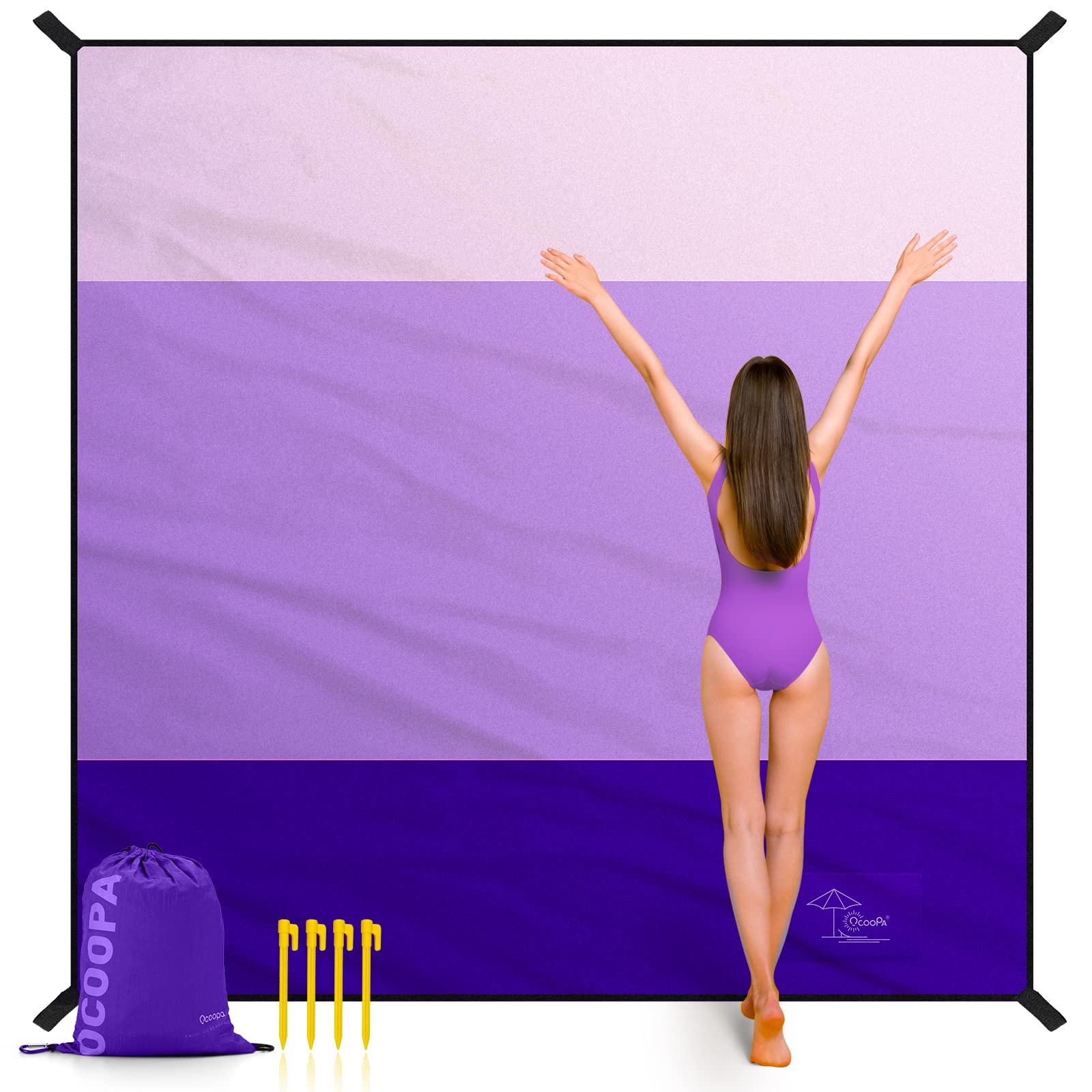
- The blanket measures 10ft by 9.2ft.
- Sand can be shaken off the nylon surface.
- It includes 4 stakes and reinforced anchor loops.
Best Gift For: A family or group of friends who picnic, camp, or spend time at the beach.
KingCamp Bamboo Folding Camping Table
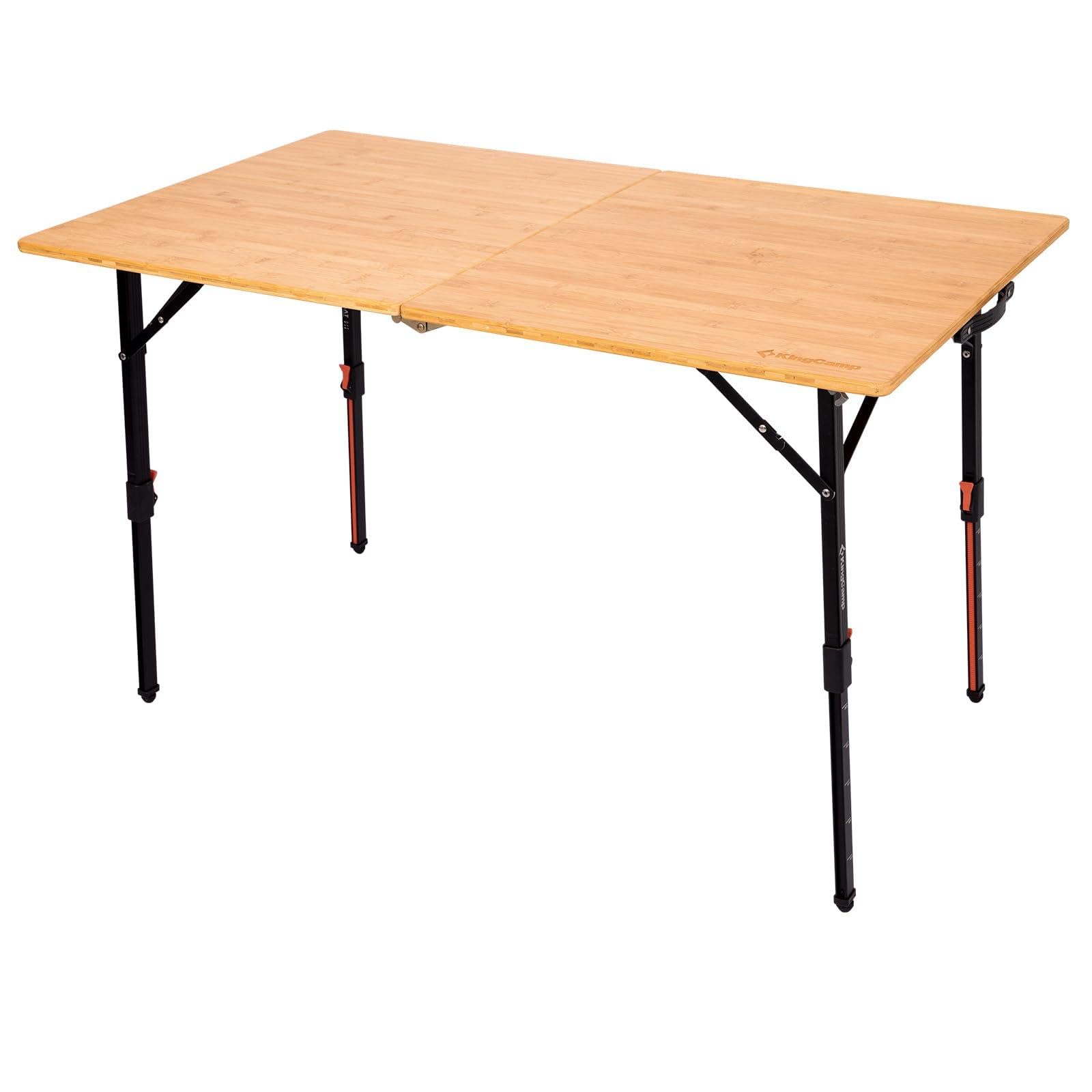
- The table adjusts from 16.5–27.5 inches high.
- Its bamboo top measures 47.24” × 27.56”.
- An integrated carry handle helps with transport.
Best Gift For: A camping group or picnic host who would use a portable table for meals or games.
Blukar Rechargeable LED Headlamp
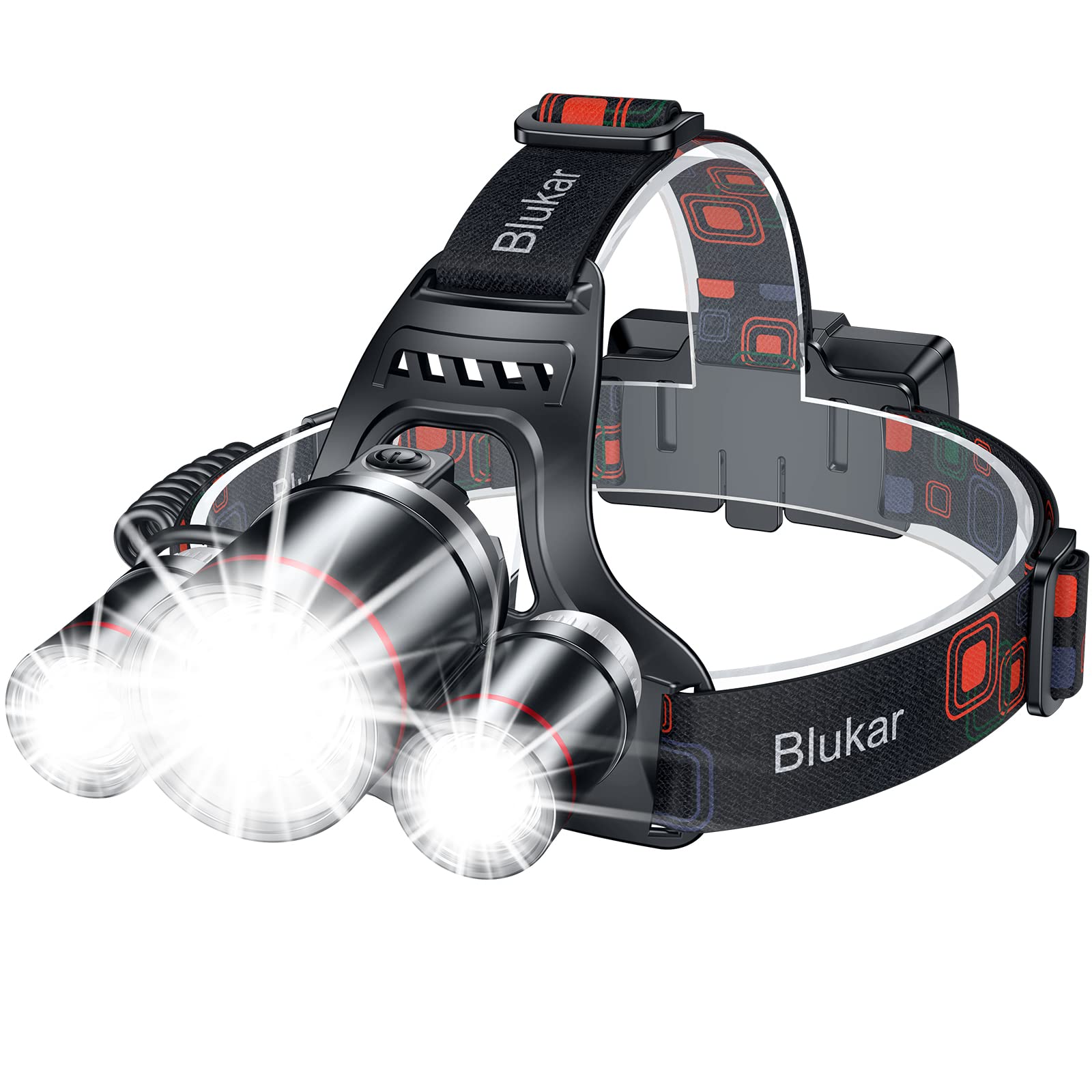
- The headlamp offers five light modes.
- The main light can be adjusted between floodlight and spotlight modes.
- The headlamp can rotate 90 degrees to adjust the beam angle.
Best Gift For: A camper or hiker who wants adjustable hands-free light for evening tasks.
LISEN 3-in-1 Travel Power Bank with Wall Plug
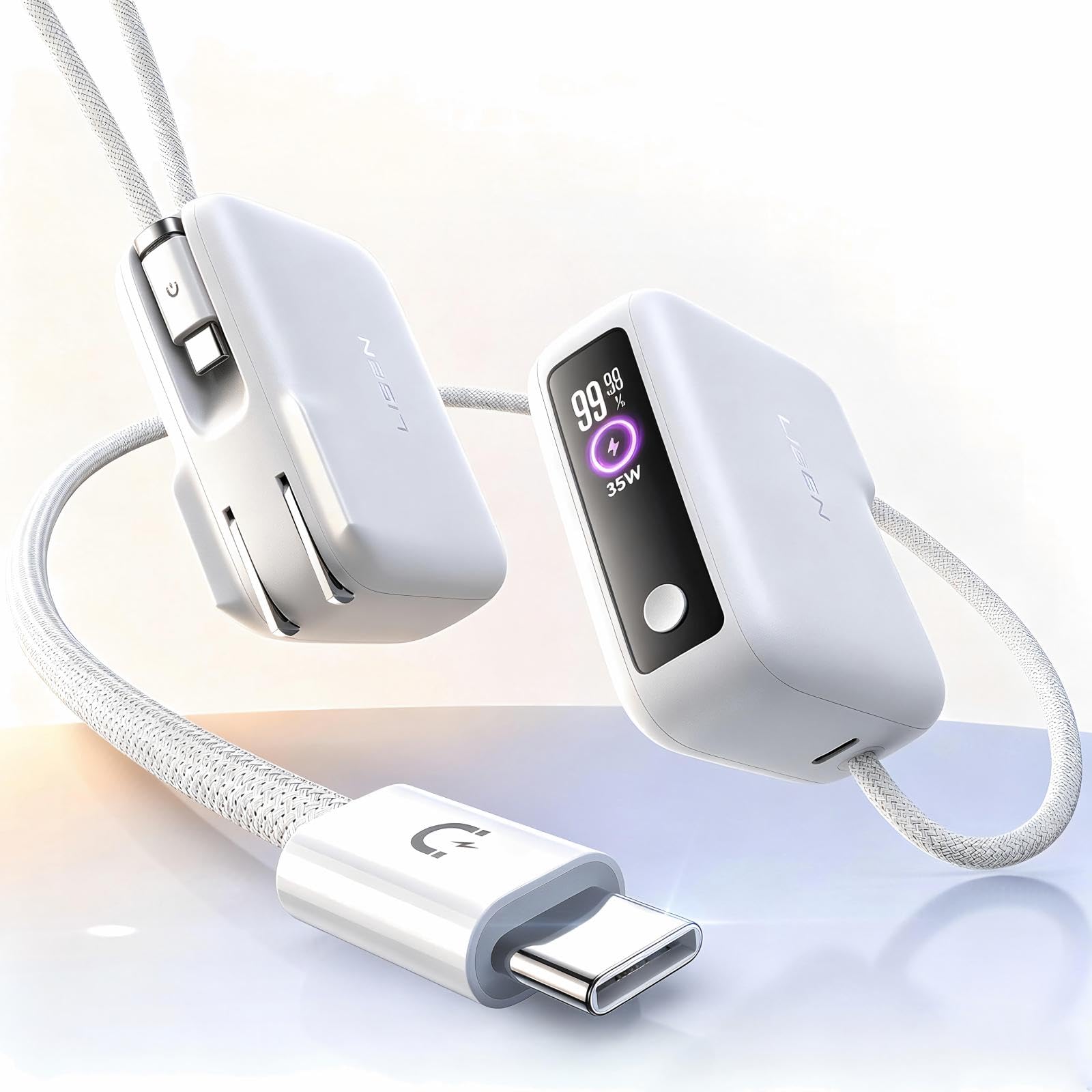
- A built-in 3.3FT cable folds charging into the compact design.
- It has a 7000mAh capacity.
- The integrated cable avoids the need to pack a separate charging cable.
Best Gift For: A hiker or traveler who wants a portable charging option for a phone or tablet.
OLIGHT Perun 3 Mini Rechargeable Headlamp
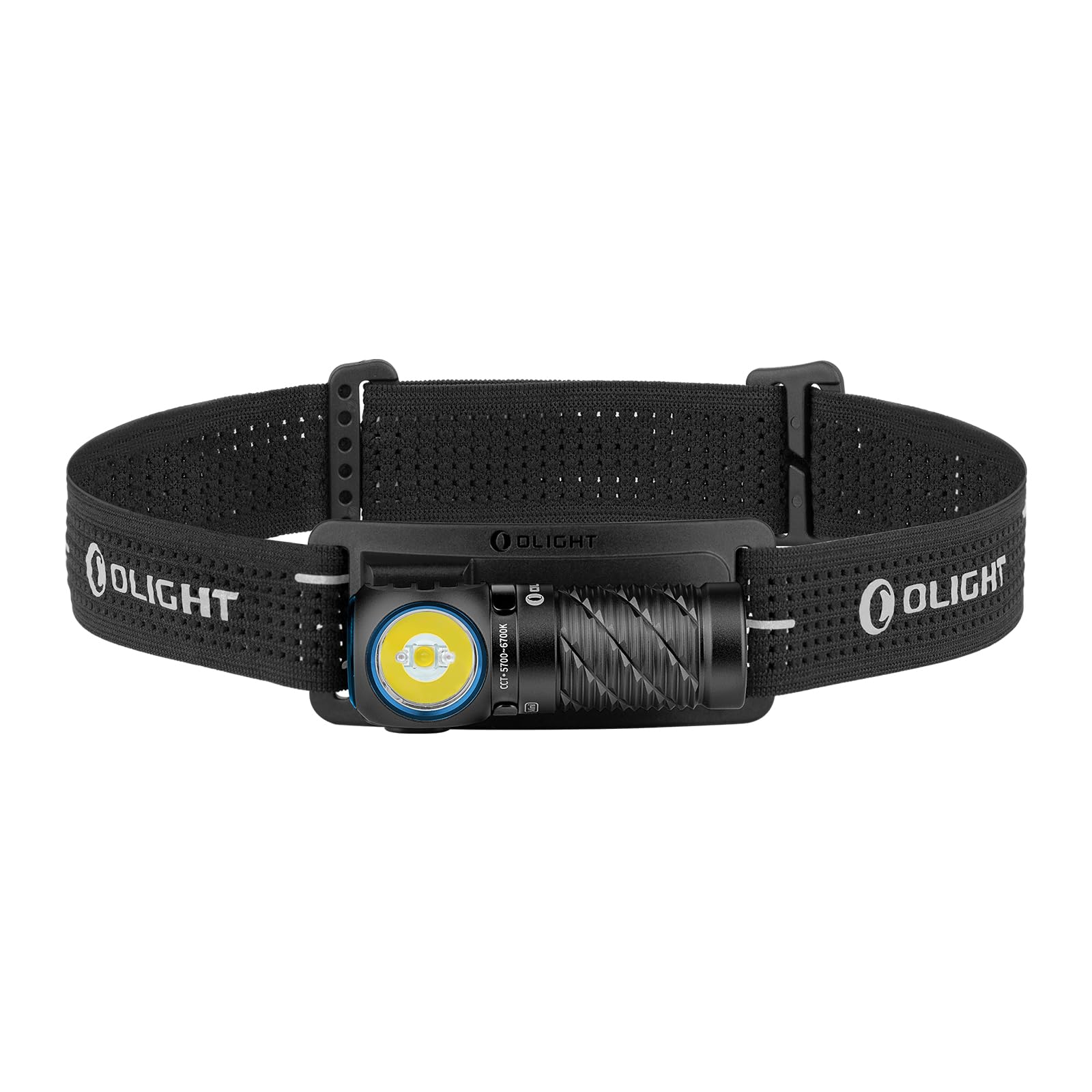
- The headlamp offers five white light modes and three red light modes.
- Its quick-detach bracket supports handheld use.
- The magnetic tail supports hands-free use.
Best Gift For: A camper or hiker who wants a headlamp that can also be used by hand.
KingCamp Double Queen-Size Sleeping Bag with 2 Pillows

- The sleeping bag has a flannel lining.
- It can separate into two sleeping bags.
- A fully opening zipper adds another way to use it.
Best Gift For: A couple who would enjoy sharing a sleeping bag on camping trips.
OCOOPA UT2s Mini Rechargeable Hand Warmers, 2-Pack
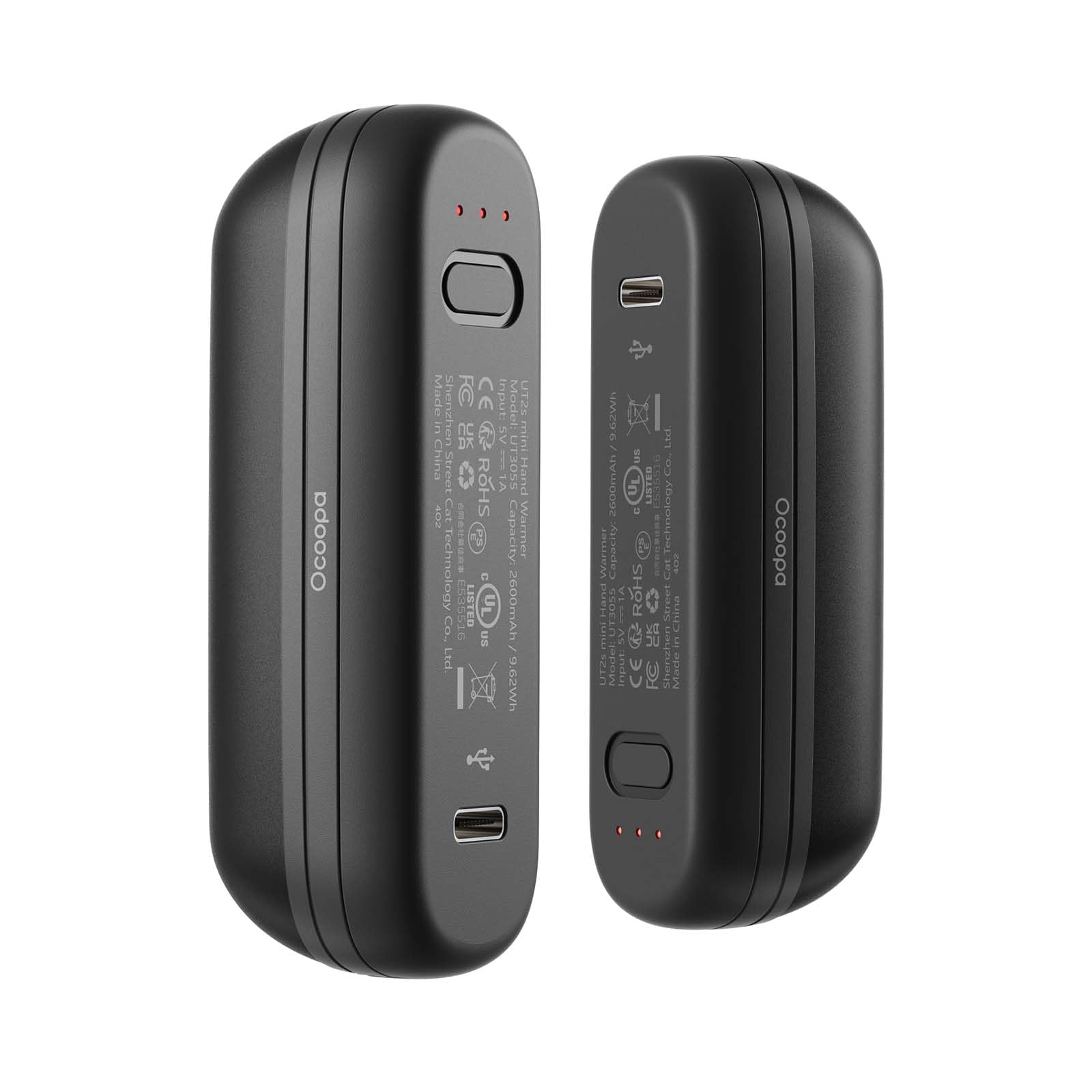
- The two warmers attach magnetically or separate for carrying.
- Each warmer weighs 2.8 oz.
- The warmers have three temperature settings.
Best Gift For: A camper or outdoor enthusiast who appreciates hand warmers for winter activities.
MISSION Original Cooling Towel
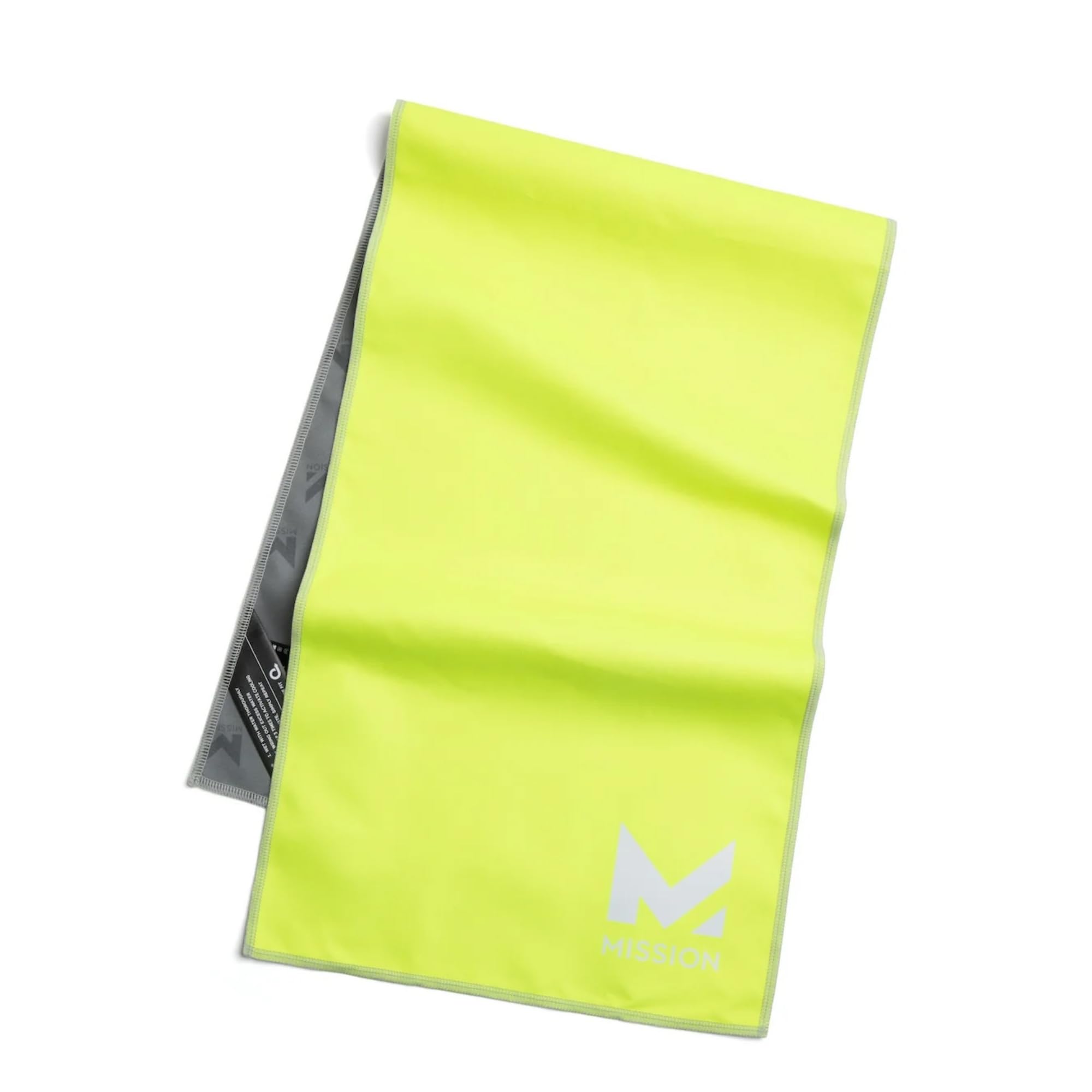
- The towel cools when activated with water.
- It provides UPF 50 sun protection.
- The towel is machine washable.
Best Gift For: A hiker or camper who enjoys a cooling towel for warm-weather outings.
1. Choose gifts for outdoor lovers around their kind of outing
Start by picturing a real day your recipient enjoys. A neighborhood walk, a sunny afternoon at the beach, a campsite with friends, and a long weekend in a cabin call for different comforts.
Gifts for outdoor lovers work best when they answer a recognizable need in that person’s routine.
Consider what they already carry and what they tend to borrow. A hiker may appreciate a light source or an easy hydration option, while a frequent car camper may value a comfortable place to sleep or a shared meal setup.
The right match feels personal because it reflects how they spend time outside.
If you are unsure, choose something that supports a familiar activity without requiring a major change to their setup. A useful accessory can earn a place in a day pack, picnic basket, or car trunk, while larger gear calls for more confidence about storage, transport, and who will use it.
2. Balance the gift with the outing and budget
Set a comfortable spending range before comparing options. Smaller practical gifts can make thoughtful presents on their own or pair well with a handwritten note, favorite trail snack, or a map of a local place to explore.
A modest gift can feel complete when it suits the recipient’s habits.
For a larger purchase, think about how often it will be used and whether it serves one person or a whole group. Shared-use items may make sense for a family that camps together, while a compact personal item may be more useful to someone who travels light.
Consider storage and the effort involved in bringing it along.
Check actual prices before buying, since they can change. For anything that connects to gear they already own, confirm compatibility; for bulky items, review dimensions and storage needs.
That small bit of planning helps keep an appealing idea practical for the recipient and the occasion.
3. Personalize gifts for outdoor lovers
A little context can make gifts for outdoor lovers feel chosen specifically for them. Add a note about the kind of outing you hope they will enjoy, such as an unhurried picnic, a first warm evening at the campsite, or a walk together on a familiar path.
Keep the message tied to what you know they like.
Presentation can build anticipation without adding clutter. Wrap a compact item with a reusable pouch or a simple card describing a local park or picnic spot.
For a larger present, a small printed photo or a few words about why you picked it can make the handoff feel thoughtful even before the next trip.
Personal details should complement the gift rather than assume a schedule or skill level. If you are giving something for a group, explain who you imagined sharing it with.
If it is for one person, mention the activity they already enjoy. That makes the gift feel considerate while leaving them room to use it their own way.
4. Make a practical choice when plans are close
A last-minute gift can still feel personal if it connects to an upcoming outing. Think about what the recipient might use on the next hike, picnic, or weekend away, then choose a gift that is straightforward to understand and easy to store.
A card with a specific invitation can turn a useful present into a plan.
Before placing an order, check current product details, dimensions, compatibility, and delivery estimates. Timing can vary, so avoid building the occasion around an arrival date you have not confirmed.
If the delivery window does not work, consider a gift card with a note naming the item or activity you had in mind.
For a local handoff, presentation can be simple: tuck the gift into a tote or pair it with a map or a short outing idea. If you are shopping remotely, send a message explaining why you chose it.
Clear, warm context helps even a practical gift feel considered.
5. Make the gift easy to enjoy
Think about how the recipient will put the gift to use. A useful item should fit their interests, storage space, and comfort with gear.
When in doubt, ask someone close to them about the kind of outings they take or what they already own, without turning the gift into a guessing game.
Include any context that helps them get started, such as a note about where you picture using it together or a reminder to check that it fits their existing setup. For more substantial gear, leave room for the recipient to review the current instructions and details before their first outing.
The best presentation is one that leaves the recipient looking forward to time outside. Keep the wrapping easy to open and the message specific: mention a walk, campsite meal, or quiet afternoon you hope they get to enjoy.
Thoughtful timing and a personal note can make practical gear feel like an invitation.